








Introduction
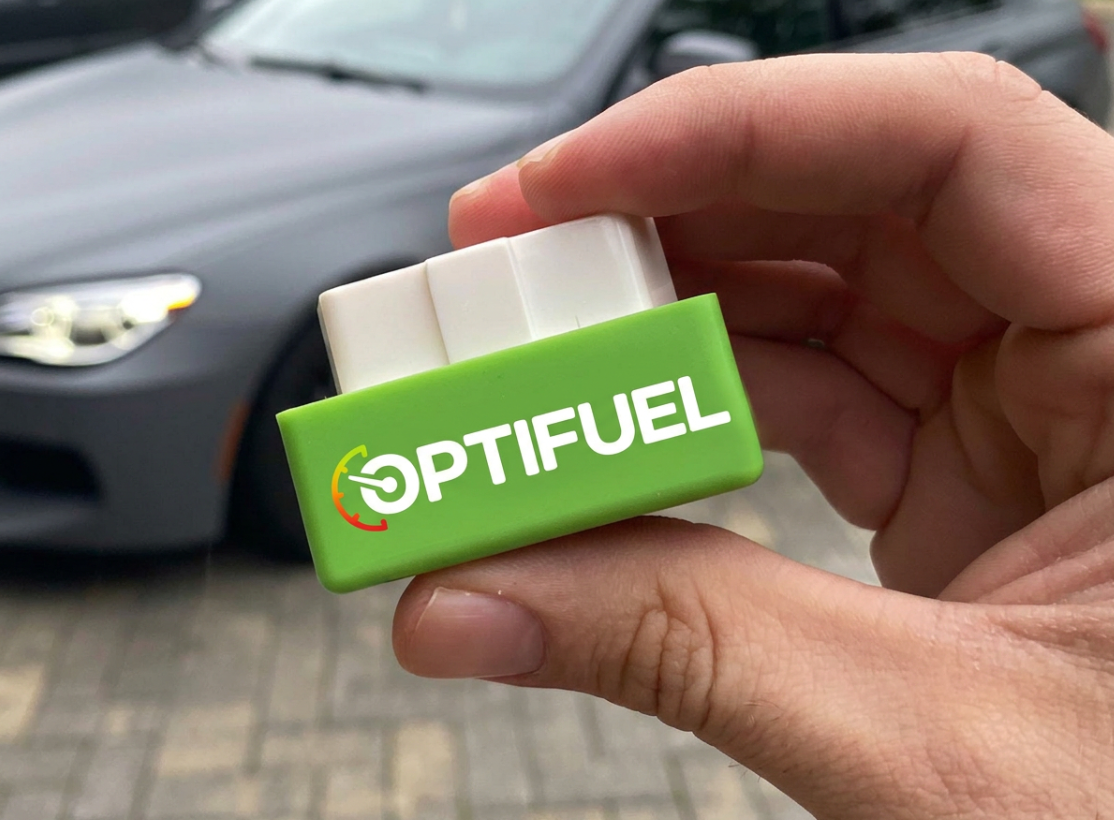
With gas fees growing globally, many drivers are searching out low-priced ways to lessen gasoline consumption. One product gaining interest is the SynGas OBD Fuel Saver, a plug-and-play device that says to improve mileage and engine performance.
But is it truly powerful, or simply any other overhyped device? Let’s break it down in detail.
What is SynGas OBD Fuel Saver?
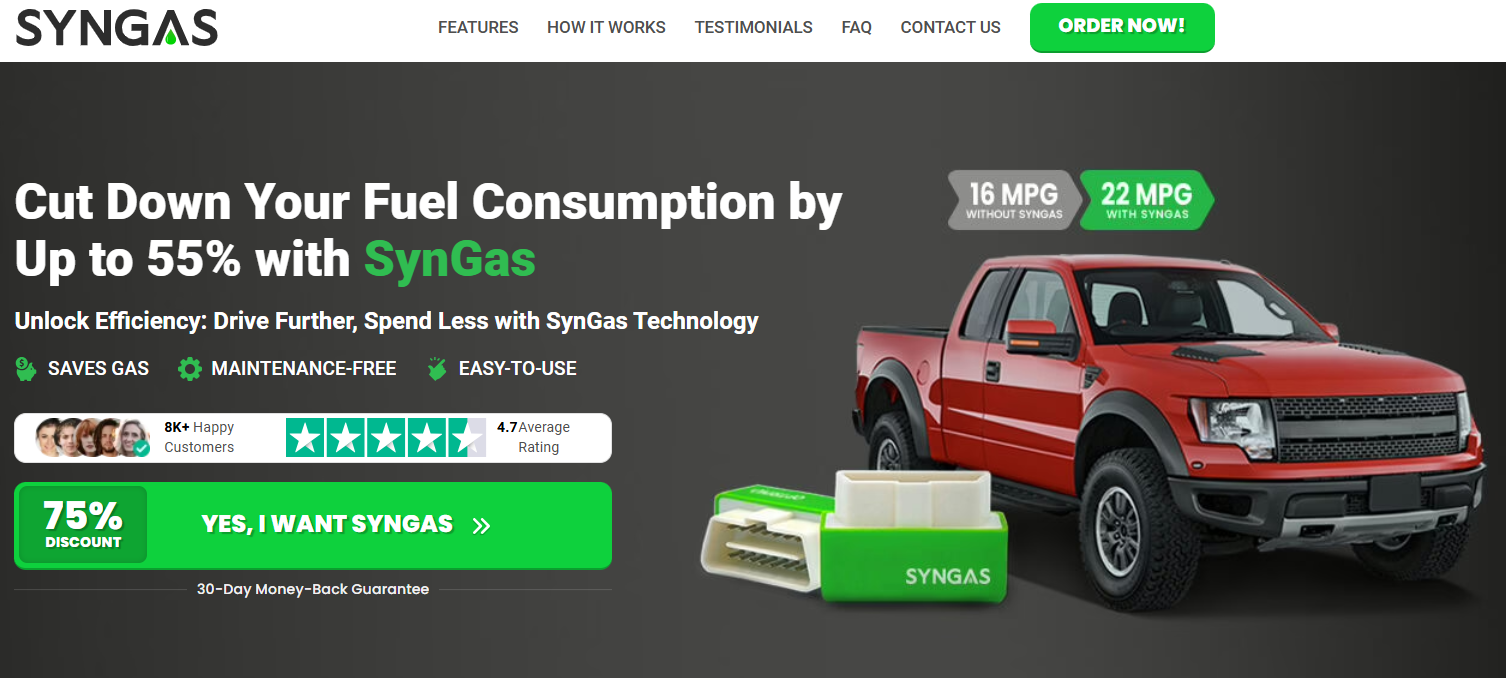
The SynGas OBD Fuel Saver is a compact digital device that plugs into your automobile’s OBD2 (On-Board Diagnostics) port. It is marketed as a clever device that:
Improves gas efficiency
Optimizes engine overall performance
Reduces emissions
Learns using habits
It is compatible with the maximum number of cars manufactured after 1996.
CLICK HERE TO BUY NOW – GET SPECIAL DISCOUNT
How Does SynGas OBD Fuel Saver Work?
According to manufacturers, the device works in the following manner:
Connects to the OBD2 port
Collects real-time engine information
Communicates with the ECU (Engine Control Unit)
Adjusts gasoline injection and combustion patterns
The device claims to “analyze” your driving style and optimize performance over time (typically after 100 to 150 miles).
Key Features
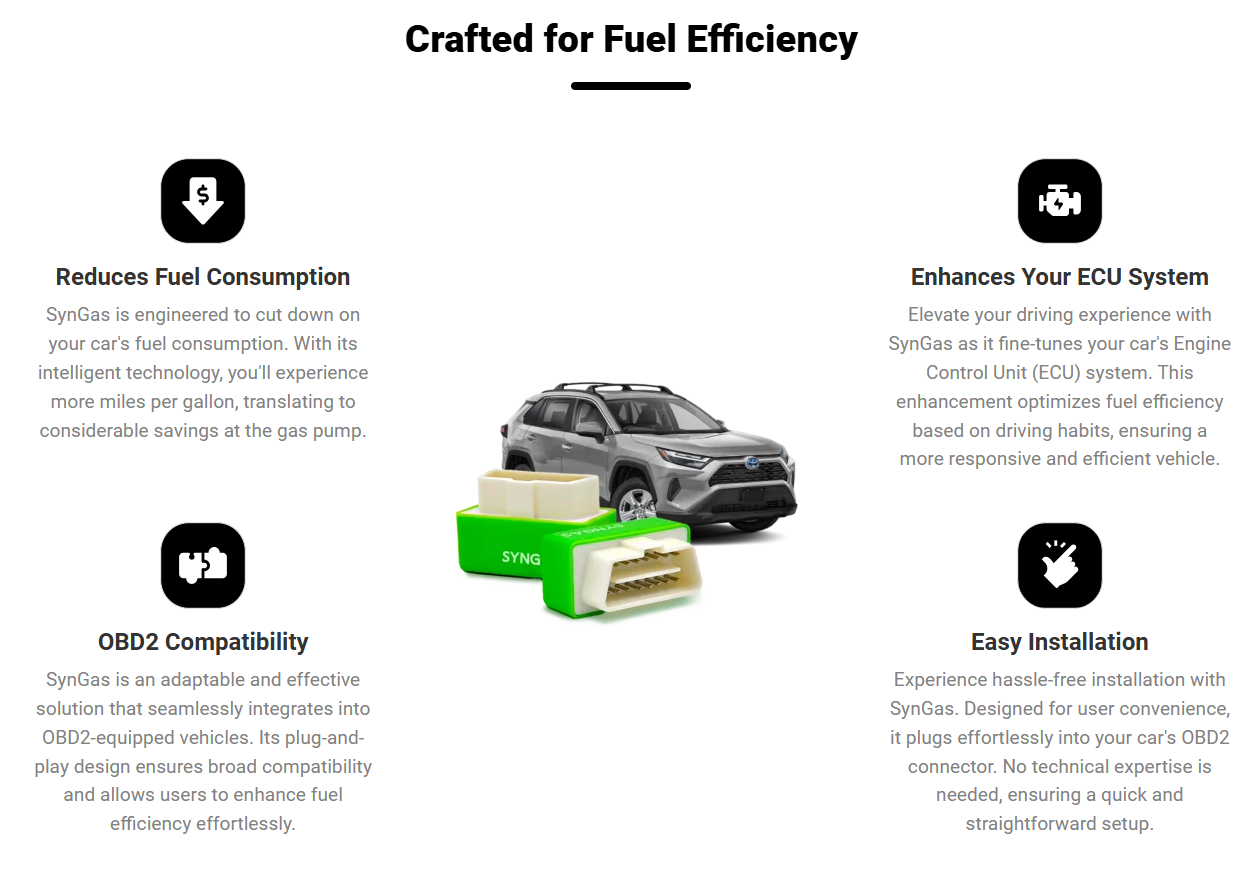
⚙️ Plug-and-Play Installation
No tools or technical expertise required—simply plug it in and pressurize.
🔄 Adaptive Learning System
Claims are modified primarily based on your riding behavior.
⛽ Fuel Optimization
Promoted to improve mileage and decrease gas waste.
🌱 Eco-Friendly
Advertised to lower carbon emissions.
🚗 Universal Compatibility
Works with petrol, diesel, and hybrid cars with OBD2 ports.
Benefits (As Claimed)
Potential gasoline financial savings (10%–30% or greater)
Improved throttle reaction
Smoother engine overall performance
Lower emissions
Affordable alternative to tuning
Reality Check: Does SynGas OBD Fuel Saver Really Work?
Here’s the most important component 👇
CLICK HERE TO BUY NOW – GET SPECIAL DISCOUNT
⚠️ Expert Insights
Modern motors already optimize fuel efficiency via the CU
OBD ports are specifically used for diagnostics—no longer tuning
Many similar devices lack actual control over engine parameters
⚠️ Independent Findings
No robust scientific or automotive evidence of big gasoline savings
Some teardowns display minimum internal additives
Many experts consider such devices useless
👉 Conclusion:
The claimed overall performance enhancements are, in all likelihood, exaggerated, and actual international results are often minimal or nonexistent.
Customer Reviews
👍 Positive Feedback
Easy to install
Compact layout
Some users file moderate upgrades
👎 Negative Feedback
No important gasoline savings
Feels like a primary digital plug
Overhyped advertising and marketing claims
🌐 What People Say Online (Reddit Insight)
“The SynGas OBD Fuel Saver is a rip-off.”
“biggest gas saving rip-off… just a blinking LED”
👉 Community consensus frequently leans towards skepticism.
CLICK HERE TO BUY NOW – GET SPECIAL DISCOUNT
✔ Pros
Easy plug-and-play use
Affordable fee
No preservation required
Compatible with maximum motors
✖ Cons
No confirmed effectiveness
Likely no longer affects the ECU meaningfully
Misleading advertising and marketing claims
Not a reliable fuel-saving solution
Better Ways to Save Fuel (Proven Methods)
Instead of counting on such devices, strive for these:
Maintain proper tire stress
Avoid competitive acceleration
Regular automobile servicing
Use good, exceptional gasoline
Reduce excess weight
👉 These techniques are scientifically verified to enhance fuel performance.
CLICK HERE TO BUY NOW – GET SPECIAL DISCOUNT
Final Verdict
The SynGas OBD Fuel Saver might also appear to be a smart solution, but modern-day evidence shows:
❌ It does NOT deliver assured gas financial savings
❌ It can not drastically optimize cutting-edge engines
✔ It is often a convenience gadget with confined real impact
👉 Overall Rating: 3/5
Frequently Asked Questions (FAQs)
1. Does SynGas OBD Fuel Saver virtually store gasoline?
There isn't any strong medical proof supporting its claims.
2. Is it safe for my vehicle?
Generally, sure, but the benefits are minimal.
3. How long does it take to expose consequences?
Manufacturers declare 1–2 weeks, but the effects are inconsistent.
4. Can it damage the engine?
Unlikely, however, it might not improve performance either.
5. Does it work on all motors?
Works on maximum OBD2-enabled cars pre-19966).
6. Is installation required?
No, it is plug-and-play.
7. Does it improve engine strength?
No established evidence supports this claim.
8. Can I dispose of it anytime?
Yes, virtually unplug it.
9. Why do some customers report advantages?
Often, because of the placebo effect or stepping forward using conduct.
10. Is it worth buying?
Only if you want to experiment—don’t anticipate actual gasoline savings.